How to Automate Freight Quoting and Save Hours Every Week
Why manual quoting is a drain on your team
Every dispatcher knows the feeling. A customer calls asking for a rate, and you drop everything to pull up your rate sheet, check current lane capacity, maybe call the carrier you trust on that route. You type up the quote, send it off, and hope you were fast enough to win the load. Do that a dozen times a day, and suddenly half your shift is gone. The problem is not that quoting is hard. It is that it is repetitive, and repetition invites errors.
I have spent years inside brokerage desks and carrier dispatch rooms. The teams that win consistently are not always the ones with the lowest rates. They are the ones that respond first. Speed builds trust, and trust builds repeat business. But speed alone is not the answer. If you rush a manual quote and miss a surcharge or misread the equipment type, that trust evaporates when the invoice arrives. What you need is consistency. You need a system that handles the routine so your people can focus on the loads that require real judgment.
That is where the idea to automate freight quoting lunetms comes in. It is not about replacing the dispatcher. It is about giving them a tool that does the grunt work so they can do the thinking.
What does automating freight quoting actually look like?
For most operations, the quoting process follows a pattern. A request comes in with origin, destination, weight, and equipment type. The dispatcher checks a matrix of rates, often stored in spreadsheets or a legacy TMS. They adjust for fuel, accessorials, and current demand. Then they send the number back. Automating this means having software that can pull from the same data sources, apply your business rules, and generate a quote in seconds without human hands on the keyboard.
The key is that the software has to understand your specific business. A flat percentage over cost works for some lanes, but for others you need to factor in deadhead miles or the likelihood of a detention charge. A good automation tool learns your patterns. It does not just spit out the lowest number. It applies your margin strategy, your customer tiers, and your risk tolerance.
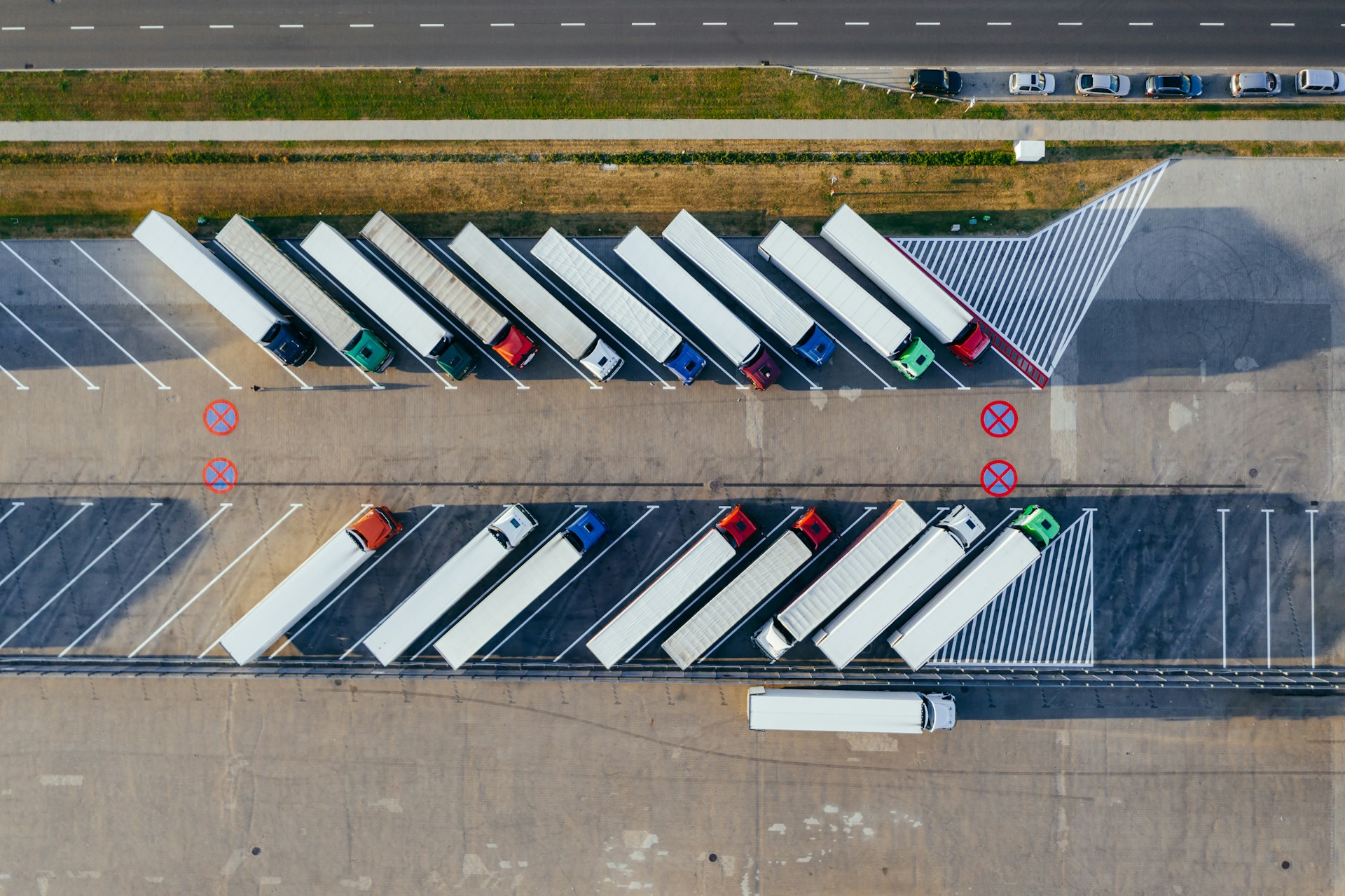
When you automate freight quoting lunetms, you are essentially building a digital version of your best dispatcher. The one who knows that lane to Boise is tight this week but the backhaul from Salt Lake is wide open. The system remembers those dynamics because it lives inside your TMS and sees the same data your team sees.
Where the time savings show up
Let me give you a concrete example. A mid-sized brokerage I worked with handled around 80 quote requests per day. Each quote took about four minutes from start to finish. That is over five hours of pure quoting time daily. After they set up automation, the system handled about 60 percent of those quotes without any human review. The remaining 40 percent were flagged for manual attention because they involved unusual dimensions, hazmat, or a new customer without history. The dispatcher only touched the exceptions. The total quoting time dropped to under an hour.
That is not an outlier. In my experience, operations that move from fully manual to a hybrid automated model typically cut quoting time by 60 to 70 percent. The exact number depends on how standard your freight is and how much exception handling you need. But even a 50 percent reduction frees up hours that can go toward building relationships, negotiating better carrier rates, or just going home on time.
The traps to watch for
Automation is not magic. If your rate data is messy, the quotes you generate will be messy too. I have seen companies spend weeks setting up automation only to discover that their base rates were outdated or that they had two different spreadsheets with conflicting numbers for the same lane. Before you automate, clean your data. Decide which rate sources are authoritative. Define your accessorials clearly. Garbage in, garbage out still applies.
Another trap is over-automation. If you automate every single quote without any guardrails, you risk sending out a bad price that costs you money or offends a customer. A good rule of thumb is to let the system handle quotes that fall within defined parameters and kick everything else to a human. You can tighten those parameters over time as your confidence grows.
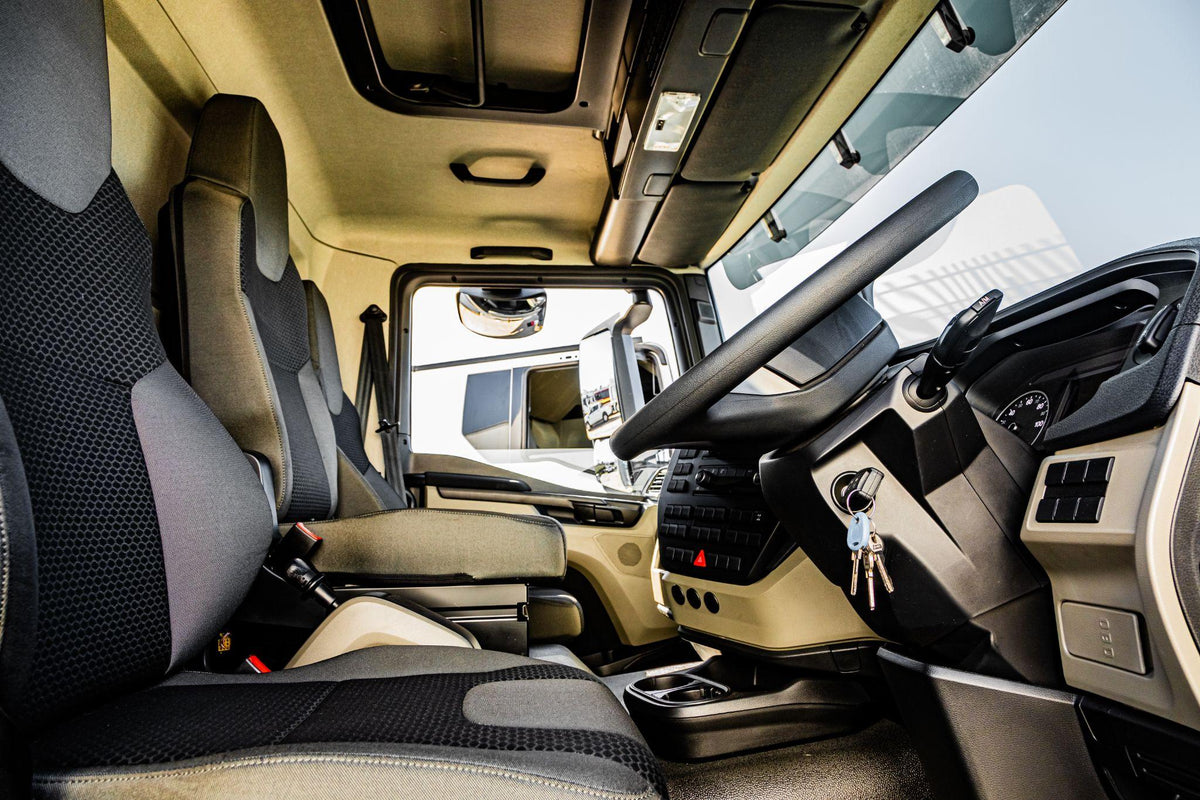
I also recommend keeping a manual override available. There will always be a customer who wants a special deal or a lane where you want to test a different margin. The goal is not to eliminate human judgment. It is to reserve it for the cases where it matters most.
How automation changes the dispatcher role
Some dispatchers worry that automation will make their jobs obsolete. In practice, the opposite happens. When you automate the repetitive quoting work, the dispatcher becomes a problem solver. They handle the tricky loads, the urgent requests, the negotiations that require a human touch. The job becomes more interesting and more valuable to the business. Turnover often drops because the work feels less like data entry and more like the skilled trade it actually is.
I have watched teams shift from spending 70 percent of their day on quotes to spending 20 percent. The freed time goes into carrier development, customer service, and strategic planning. Those are the activities that actually grow the business.
Practical steps to get started
If you are ready to move beyond spreadsheets and manual emails, here is a realistic path:
- Audit your current quoting process. Track how many quotes you send per day, how long each one takes, and what types of exceptions come up most often.
- Choose a TMS that supports rule-based quoting. The system should let you set margins by lane, customer, and equipment type without custom coding.
- Start with your highest-volume lanes. Automate those first, because that is where the biggest time savings live.
- Set a confidence threshold. For example, let the system auto-send quotes for loads under a certain weight or value, and require manual approval for everything else.
- Review the results weekly. Tweak your rules as you learn which automated quotes win loads and which ones miss the mark.
Measuring what matters
Once you automate freight quoting lunetms, track more than just time saved. Watch your win rate. If your quotes are consistently faster, you should see more loads accepted before your competitors even respond. Also track the accuracy of your quotes. A fast quote that is wrong is worse than a slow quote that is right. Over time, you want to see both speed and accuracy improve together.

Another metric to watch is dispatcher satisfaction. Ask your team how they feel about their work after the change. If they are spending less time on quotes and more time on the parts of the job they enjoy, you are on the right track.
The bottom line
Freight quoting does not have to eat up your day. The technology to automate it exists now, and it works best when it is built into the same system you already use to manage your loads. When you automate freight quoting, you are not replacing your team. You are giving them the tools to do what they do best, faster and with fewer mistakes. The result is a more efficient operation, happier customers, and a business that can scale without burning out your people.
 LinkedIn
 Facebook
 Instagram
 YouTube